
Can I Leave My Dog Alone 3 Days After Spay?
Generally, it is not recommended to leave your dog alone for extended periods 3 days after spay surgery. The first 3-5 days require close monitoring for complications, and confinement to a restricted space is strongly advised. Most vets suggest staying home for at least 48 hours, and ideally longer if possible.
Can I Leave My Dog Alone 3 Days After Spay?
If you're a dog owner facing a return to work or other commitments just three days after your pet's spay surgery, you're likely wondering if it's safe to leave her alone. The short answer is: it's generally not recommended. During the first three to five days after surgery, your dog needs close monitoring for complications such as infection, bleeding, or adverse reactions to anesthesia. Additionally, confinement to a restricted space is strongly recommended to prevent jumping, running, or other activities that could strain the incision site.
Most veterinarians advise staying home with your dog for at least 48 hours after spay. If you must leave, it's best not to leave pets alone for extended periods—ideally no more than a few hours at a time. For the first 3-5 days, crate confinement is often recommended, and your dog should only be taken out on a leash for bathroom breaks. If you cannot be home, consider asking a friend, family member, or pet sitter to check in regularly.
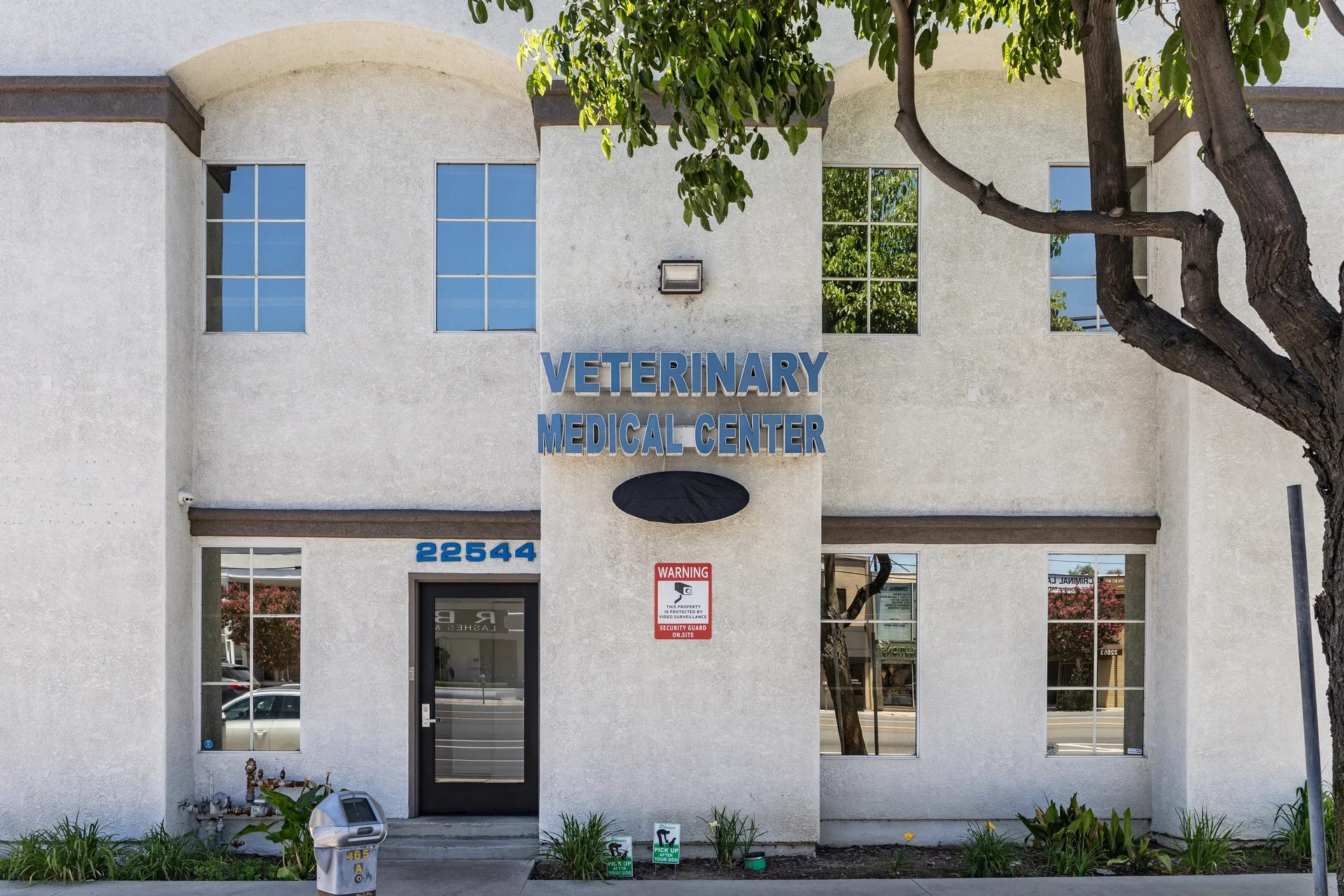
Ultimately, the decision depends on your dog's individual temperament and recovery progress. Some dogs may be more restless or prone to licking the incision, increasing the risk of complications. If you're unsure, consult your veterinarian for personalized advice. At Veterinary Medical Center of Woodland Hills, we're here to help you navigate your dog's recovery and answer any questions you have. Contact our team for guidance tailored to your pet's needs.


Spay Recovery Timeline: What to Expect Day by Day
Understanding the typical recovery timeline helps you plan when you can leave your dog alone and what activities are safe. Below is a general guide; individual recovery may vary.
| Time After Surgery | What to Expect | Activity Restrictions |
|---|---|---|
| Day 1-2 | Groggy from anesthesia; may have reduced appetite. Monitor incision for swelling or discharge. | Strict crate confinement; leash walks only for bathroom breaks. No jumping, running, or stairs. |
| Day 3-5 | More alert; appetite returns. Incision may look slightly red or bruised. | Continue confinement; short leash walks. Still no jumping or rough play. Extended alone time not advised. |
| Day 7 | Incision healing; sutures may begin to dissolve (if dissolvable). Energy levels increase. | Gradually increase leash walk length, but avoid running or jumping. Most dogs still need supervision. |
| Day 10-14 | Sutures typically dissolved or removed; incision should be well-healed. | Can usually resume normal activities, but confirm with your vet. Dogs can be left alone for longer periods. |
Keep in mind that full healing of internal tissues takes longer—about 10-14 days for the incision site, but deeper layers may need up to 6 weeks. Always follow your vet's specific instructions for your dog.
Real Owner Experiences: Leaving Your Dog Alone After Spay
A good fit if…
- You have a calm dog that doesn't mind crate confinement and rarely licks or scratches at the incision.
- You can arrange for someone to check on your dog every few hours during the first 3-5 days.
- Your dog has a history of easy recovery from previous procedures or minor injuries.
Consider another option if…
- Your dog is high-energy, anxious, or prone to jumping on furniture despite confinement.
- You have no one to check on your dog and must be away for 8+ hours at a time.
- Your dog has a tendency to lick or chew at wounds, increasing the risk of infection or suture damage.
Many owners find that the first few days are the hardest, but with proper planning—like using an Elizabethan collar (E-collar) and setting up a safe, quiet space—most dogs recover well. If you're unsure, talk to your vet about your specific situation; they may recommend a longer stay or additional support.
How to Keep Your Dog Calm and Confined After Surgery
Proper confinement and activity restriction are crucial for preventing complications like incision reopening or infection. Follow these steps to keep your dog safe during recovery.
- Set up a recovery zone. Choose a small, quiet area like a crate or a penned-off corner of a room. Remove furniture or objects your dog could jump on. Line the space with soft bedding that won't stick to the incision.
- Use an Elizabethan collar (E-collar). Prevent your dog from licking or biting the incision. Ensure the collar fits snugly but allows eating and drinking. Remove only under supervision for meals if needed.
- Leash walks only. For bathroom breaks, carry your dog to the yard or use a short leash. No off-leash time, running, or stairs. Keep walks brief—just long enough to relieve themselves.
- Monitor activity closely. Watch for signs of restlessness, jumping, or attempts to escape confinement. If your dog seems overly active, consult your vet about sedatives or calming aids.
- Check the incision daily. Look for redness, swelling, discharge, or odor. Report any concerns to your vet immediately. Avoid bathing or getting the incision wet until sutures are removed or dissolved.
Elizabethan collar
An Elizabethan collar, often called an E-collar or recovery cone, is a protective device worn around a pet's neck to prevent them from licking, biting, or scratching at wounds or surgical incisions. Shaped like a truncated cone, it attaches to the pet's regular collar and should be short enough to allow eating and drinking. While many pets adjust well, some may need the collar removed temporarily for meals under supervision. Modern versions include soft fabric edges and Velcro closures for comfort. For your dog recovering from spay surgery, an E-collar is essential to protect the incision site and promote proper healing.
Directions to our veterinarian in Woodland Hills from Canoga Park, Los Angeles
Start at Canoga Park, Los Angeles and head to Veterinary Medical Center of Woodland Hills at 22544 Ventura Blvd, Woodland Hills, CA 91364.
When Can My Dog Walk, Jump, and Play Again?
Resuming normal activities too soon can strain the incision and delay healing. Use this timeline as a guide, but always follow your veterinarian's specific advice.
| Activity | When Safe to Resume | Notes |
|---|---|---|
| Short leash walks | Immediately (day 1), but keep to 5-10 minutes | No running, pulling, or stairs. Use a harness to avoid pressure on the incision. |
| Jumping on furniture | After 10-14 days, once sutures are dissolved/removed | Jumping can tear internal sutures; use ramps or steps if needed. |
| Running or off-leash play | After 10-14 days, with vet approval | Start slowly; watch for signs of pain or fatigue. |
| Swimming or bathing | After sutures are removed or dissolved (typically 10-14 days) | Water can introduce bacteria to the incision. |
Remember that even after the incision looks healed, internal tissues need more time. Avoid vigorous activity for at least 2-3 weeks post-surgery.
Leaving Your Dog Alone with a Cone: What You Need to Know
A good fit if…
- Your dog tolerates the Elizabethan collar (E-collar) well and doesn't panic or try to remove it.
- The cone fits properly—not too tight, not too loose—and your dog can eat, drink, and sleep comfortably.
- You've removed any hazards in the environment (e.g., sharp corners, low furniture) that the cone could catch on.
Consider another option if…
- Your dog becomes distressed, anxious, or refuses to eat or drink with the cone on.
- The cone is too large or too small, causing chafing or allowing your dog to reach the incision.
- You cannot supervise your dog while the cone is on, and she is prone to getting stuck or injuring herself.
While many dogs adjust to wearing a cone, leaving them alone for extended periods carries some risk. If you must leave, ensure the cone is secure and your dog is in a safe, confined space. Consider alternatives like a soft cone or inflatable collar if your dog struggles with the standard plastic one. Always monitor your dog's behavior and remove the cone only when you can supervise.
Warning Signs After Spay: When to Call the Vet
While most spay recoveries go smoothly, it's important to know what symptoms warrant a call to your veterinarian. Contact your vet immediately if you notice any of the following:
- Excessive bleeding or discharge: Blood or pus oozing from the incision site, or a foul odor.
- Redness or swelling: Significant redness around the incision or a lump that grows larger.
- Lethargy or loss of appetite: Your dog is unusually tired, refuses food or water for more than 12 hours, or seems depressed.
- Vomiting or diarrhea: Persistent vomiting or diarrhea, especially if it contains blood.
- Difficulty urinating or defecating: Straining, crying, or inability to go to the bathroom.
- Signs of pain: Whining, panting, restlessness, or reluctance to move.
- Incision opening: The incision appears to be pulling apart or sutures are missing.
If you notice any of these signs, call your veterinarian right away. Early intervention can prevent serious complications. For clients in Woodland Hills, Calabasas, or Agoura Hills, our team at Veterinary Medical Center of Woodland Hills is available during business hours to address your concerns.
For details on services and visits, see the main page about veterinarian woodland hills.
Sources
Also asked as
- How many days should I stay home with my dog after spay?
- When can I leave my dog alone after spay surgery?
- Is it safe to leave my dog alone after being spayed?
Frequently asked questions
Can my dog be left alone after spay surgery?
It is generally not recommended to leave your dog alone for extended periods during the first 3-5 days after spay surgery. Close monitoring is needed to watch for complications like infection or bleeding. If you must leave, keep absences short and ensure your dog is safely confined in a crate or small space.
How many days should I stay home with my dog after spay?
Most veterinarians recommend staying home for at least 48 hours after spay surgery. Ideally, you should plan to be with your dog for the first 3-5 days to monitor recovery and prevent overactivity. If that's not possible, arrange for someone to check on your dog every few hours.
Can I take my dog on a walk 3 days after neutering?
Short leash walks are generally safe starting from day 1 after surgery, but they should be brief—just long enough for bathroom breaks. Avoid running, pulling, or stairs. After 10-14 days, once sutures are dissolved or removed, you can gradually increase walk length.
Should a dog sleep in a cone after spay?
Yes, it is generally recommended that your dog wear the Elizabethan collar (E-collar) while sleeping to prevent licking or scratching the incision overnight. If the cone is uncomfortable, you can try a soft cone or inflatable collar, but always supervise the first use to ensure it doesn't come off.
Can a dog jump on the couch after neutering?
No, jumping on furniture should be avoided for at least 10-14 days after spay or neuter surgery. Jumping can strain the incision and internal sutures, leading to complications. Use ramps or steps if your dog needs to get on and off furniture, or keep them in a confined area without access to couches or beds.